Try Before You Buy

Your constantly-updated definition of Try Before You Buy and collection of videos and articles.
Be a conversation starter: Share this page and inspire others!

98 Shares

What is Try Before You Buy?

Try before you buy is a principle of conversion-centered design that brands use to offer free content (e.g., apps) for limited-time or limited-feature use. It is a measurable strategy to foster brand loyalty. When users sample an item fully or partly, they can see if they should invest their money or information in it.

“I don’t care how much money you have, free stuff is always a good thing.”

— Queen Latifah, Popstar

Try before you buy is common for digital services, but webshops like Amazon use it for physical products as well. See how you might apply it in your own design projects.

Let Users “Test-Drive” Choice Features with Try Before You Buy

Free limited-time or limited-feature use of services or products is a powerful, time-tested user-conversion strategy. A brand that lets users sample what it has to offer can strengthen its credibility and distinguish itself better than one that doesn’t. When you use try before you buy, you should make sure you:

  1. Immediately let users explore an item at their leisure—though with a limited feature setor enjoy the full version for a trial period.

  2. Provide value to users before you prompt them with a call to action.

  3. Leverage behavioral economics to make users feel greater ownership of an item, which they’ll then be less likely to give up.

The digital forms of try before you buy vary (e.g., music snippets, game demos). However, they all involve the same premise—the power of free. You give users something so they can decide if it’s worthwhile to invest in the privilege of full access or ownership. Try before you buy doesn’t necessarily mean you must entice users to spend money. You can also apply it to encourage them to register personal information. For example, anyone can watch uploaded videos on YouTube anonymously. It’s only when users want to interact more intimately (e.g., comment) that YouTube prompts them to invest—in this case, register. The success of this approach comes from:

  1. Immediate payoff (i.e., watch anything now).

  2. Minimal registration effort afterwards (i.e., no upfront barriers, which deter over 85% of users who would otherwise have become customers).
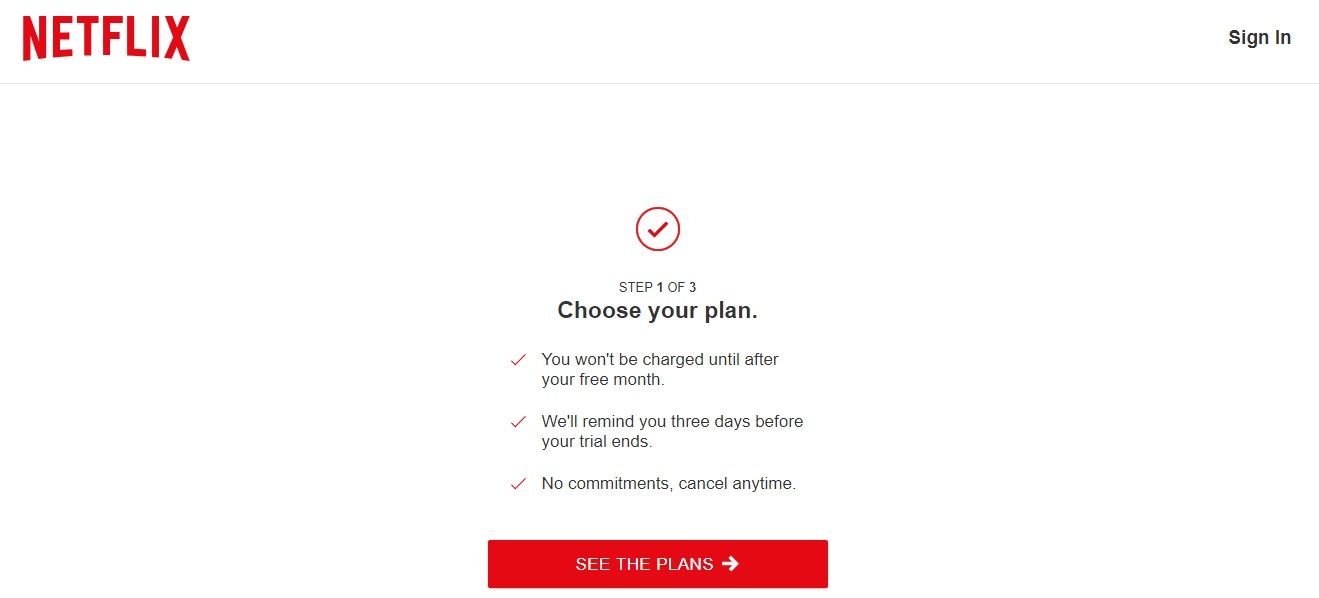
Netflix prompts users to create an account before the free trial.

How to Entice Users with Try Before You Buy

Users typically dislike registration prompts. They know they may get annoying marketing pitches if they give their email addresses. Some register with false details. It’s perfectly natural for them to be suspicious that brands which are hungry for their information will also be hungry for their money. A good way for you to overcome their suspicions is to treat them as guests—offer generous trial periods and generous access to desirable content. Consider which of the following actions may be suitable for your design project:

  1. Offer guarantees and clear notifications (e.g., about cookies) to reinforce trust and brand loyalty.

  2. Include opt-in/opt-out checkboxes insightfully, so users stay in full control and any persuasion you give them to act is gentlenever trick them.

  3. Ensure users can ignore registration and continue as guests (with the free version) or tell them how many uses they have left before they have to register (with the full version).

  4. Approach users who have sampled but are unresponsive and offer them incentives/deals.

  5. Offer high-resolution previews (e.g., e-book samples).

  6. Let users create drafts using their own content (e.g., writing samples).

  7. Let guest users check out, but tell them about account-holder benefits for their next purchase.

  8. Apply freemium (gaming) features such as paid upgrades cautiously.
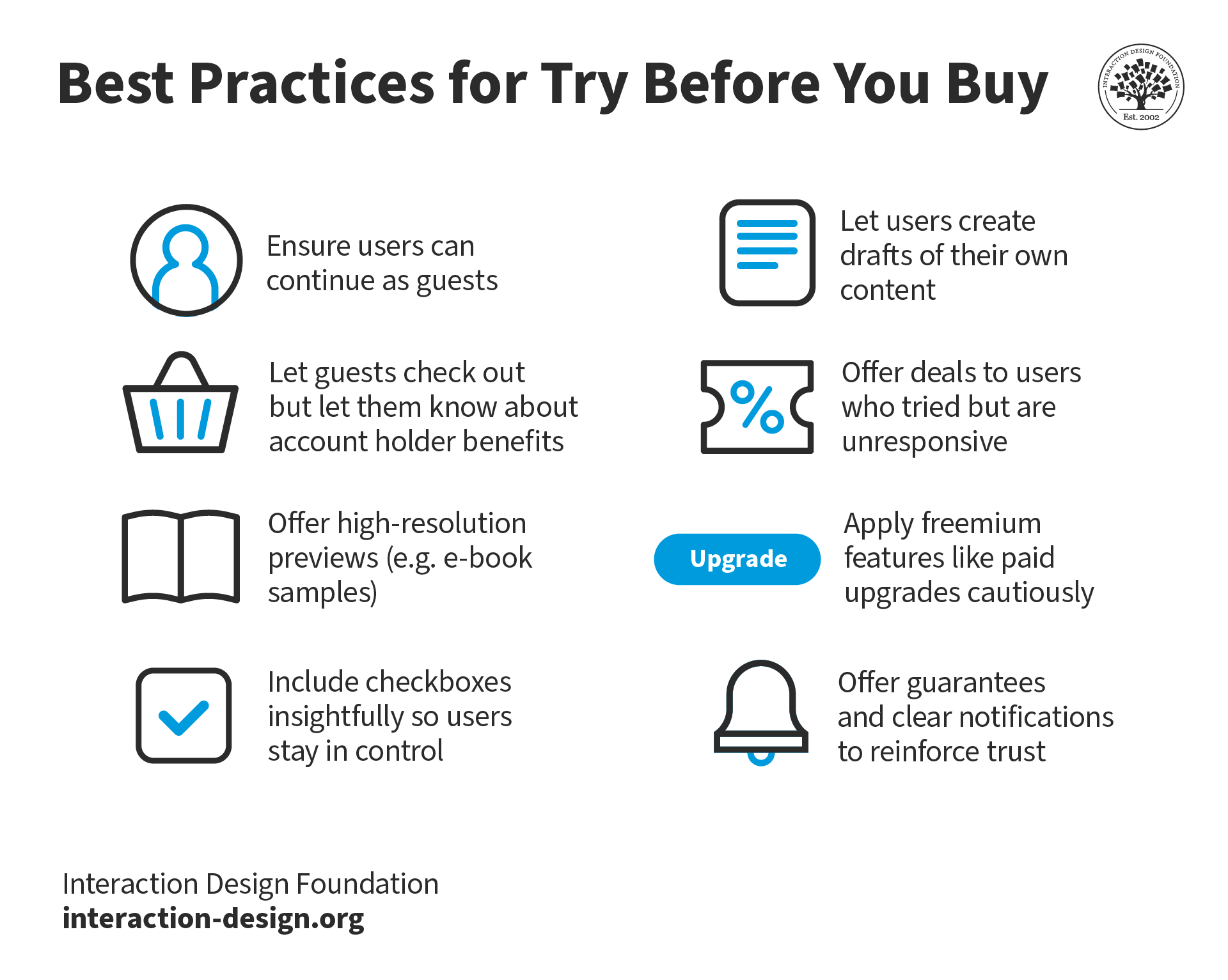
How to entice users to try before they buy

© Interaction Design Foundation, CC BY-SA 4.0

Above all, when you offer users free trials of premium items, you should make these last long enough for them to appreciate all the benefits without interruption. For free versions, decide on appropriate levels of functionality. Remember, any free version must still be good enough to represent the brand. Users shouldn’t be dissatisfied with performance. They should want to have an even better premium version. The value you provide users when you give them free samples should drive conversion because it’s a huge part of how they judge what your brand is worth.


Earn a Gift Earn a Gift, Answer a Short Quiz!

1
2
3
4
1
2
3
4
Question 1
Question 2
Question 3
Get Your Gift
Interaction Design Foundation logo

Question 1

What is the primary goal of the "Try Before You Buy" strategy in digital marketing?

1 point towards your gift

  • To collect user data through the offer of free services
  • To improve user engagement through free trials before purchase
  • To increase the website's traffic without a focus on conversions
Interaction Design Foundation logo

Question 2

Which feature is essential to implement in a "Try Before You Buy" strategy for a positive user experience?

1 point towards your gift

  • Limit user access to basic functionalities only.
  • Offer full access for a limited time to explore the product.
  • Provide incomplete versions of the product.
Interaction Design Foundation logo

Question 3

How does "Try Before You Buy" psychologically influence a user's decision to purchase?

1 point towards your gift

  • It decreases the user's sense of ownership over the product.
  • It increases the user's commitment and sense of ownership.
  • It makes the user indifferent to product benefits.

Learn More About Try Before You Buy

Make learning as easy as watching Netflix: Learn more about Try Before You Buy by taking the online IxDF Course AI for Designers.

Why? Because design skills make you valuable. In any job. Any industry.

In This Course, You'll

  • Get excited about how quickly you can create meaningful results when you turn AI into your new superpower and combine it with timeless human-centered design skills. As an AI-powered designer, you’ll increase your efficiency and salary potential, and as a human-centered leader, you'll create ethical AI-powered products people love. When these abilities come together, you’ll solve real-world problems faster and make the world a better place. Studies show that AI-driven productivity accelerates growth and helps busy professionals like you achieve in months what once took decades. Now's the time to master the powerful combination that keeps you in demand.

  • Make yourself invaluable when you use AI to accelerate repetitive tasks while applying your irreplaceable human strengths like empathy, critical thinking, and ethical decision-making to guide every solution toward what users truly need. Leaders seek professionals with AI fluency because the people who thrive combine AI efficiency with deep human insight that machines can't replicate. You'll learn to automate and streamline repetitive tasks, make data-driven decisions, and optimize your workflow for innovation and cost savings. No matter your background, you'll easily master AI for Designers. With clear guidance and real-world examples, you'll apply your skills immediately.

  • Gain confidence and credibility as you master the art of text prompts for design. You'll learn how to deal with bias in AI and how to use AI tools to create intuitive user experiences that drive business success. You can fast-track your portfolio of AI-enhanced case studies with step-by-step guidance, practical tips for real-life projects, and downloadable templates. This course gives you the hands-on knowledge to guide AI with timeless human-centered design skills, and that's how you stay in demand in any industry!

It's Easy to Fast-Track Your Career with the World's Best Experts

Master complex skills effortlessly with proven best practices and toolkits directly from the world's top design experts. Meet your experts for this course:

  • Ioana Teleanu: Founder of UX Goodies and former Lead Product Designer (AI) at Miro.

  • Rafael Hernandez: Lead Product Designer at T. Rowe Price.

  • Jarvis Moore: Senior Design Lead, Design Systems at Microsoft.

  • Niwal Sheikh: Product Design Lead at Netflix.

  • Vitaly Friedman: Senior UX Consultant for the European Parliament, and Creative Lead, Smashing Magazine.

  • Pablo Stanley: Designer and CEO of Musho and Lummi.

Get an Industry-Recognized IxDF Course Certificate

Increase your credibility, salary potential and job opportunities by showing credible evidence of your skills.

IxDF Course Certificates set the industry gold standard. Add them to your LinkedIn profile, resumé, and job applications.

Course Certificate Example

Be in distinguished company, alongside industry leaders who train their teams with the IxDF and trust IxDF Course Certificates.

Our clients: IBM, HP, Adobe, GE, Accenture, Allianz, Phillips, Deezer, Capgemin, Mcafee, SAP, Telenor, Cigna, British Parliament, State of New York

All Free IxDF Articles on Try Before You Buy

Read full article
The Seven Simple Principles of Conversion Centred Design (CCD) and How to Use Them - Article hero image
Interaction Design Foundation logo

The Seven Simple Principles of Conversion Centred Design (CCD) and How to Use Them

Oli Gardner – the Creative Director of Unbounce (a landing page builder for marketers), is an advocate of CCD. He says that deploying CCD makes each page you create on a website a piece of “accountable content”. In that you can measure the impact, purpose and success of each page as that page plays

Social shares
854
Published
Read Article

The Seven Simple Principles of Conversion Centred Design (CCD) and How to Use Them

The Seven Simple Principles of Conversion Centred Design (CCD) and How to Use Them

Oli Gardner – the Creative Director of Unbounce (a landing page builder for marketers), is an advocate of CCD. He says that deploying CCD makes each page you create on a website a piece of “accountable content”. In that you can measure the impact, purpose and success of each page as that page plays a part in converting visitors into customers. Design is often about solving problems. Many of the problems that designers work on are user-oriented problems. However, there is another consideration when it comes to problem-solving; solving business-oriented problems.

Conversion Centred Design (CCD) exists to help designers create user experiences that drive a single business goal. [Tweet this]

That might be as simple as clicking to another page or as complex as ensuring a sale or registration on a website.

Conversely CCD makes it easy to determine when a design is unsuccessful because it fails to play its part in converting visitors into customers. As with all things design CCD is a hybrid between art (the visual, UX and content design) and a science (the measuring and analysing of the results).

Oli offers 7 principles which he says are the core of making CCD work for you on your design projects:

Let’s see them in detail and with some examples!

The 7 Principles of CCD

The First Principle of CCD – Encapsulation

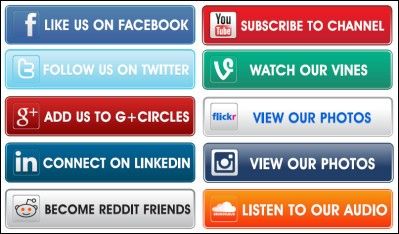
Encapsulation is the wrapping that you put the most important content in. Rather like the wrapping paper we use to draw someone’s attention to their present on their birthday; the idea is to make it clear to the visitor that the content is important to them.

What do you wrap in CCD? The content that triggers the action that you desire; it it’s a click that’s required make the button big and interesting. If it’s a sign up; call attention to it.

Examples of encapsulation (social media buttons):


Author/Copyright holder: Free Stock Images. Copyright terms and licence: CC BY 2.0

The Second Principle of CCD – Contrast

Put a big red button on a bright red background and what happens? It becomes indistinguishable from the background.

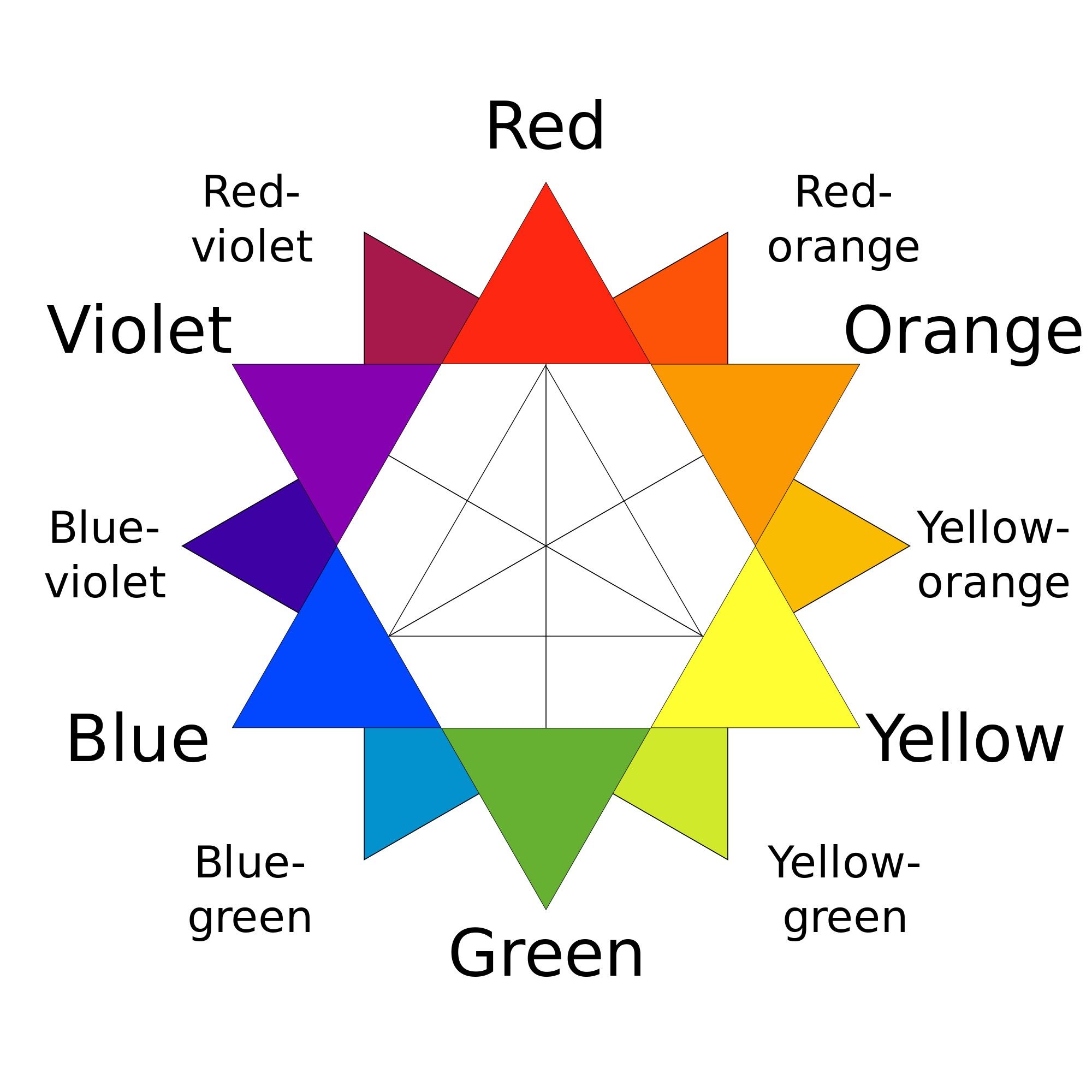
In CCD it’s not the colours that you use that matter – it’s the contrast from the background that matters. [Tweet this]

If your call to action blends in with everything else, who will see it?No-one that’s who. Make stuff stand out using contrast. White on black.Green on red.Not sure how to create the greatest levels of contrast? Check out the colour star below (points that are opposite each other offer the greatest levels of contrast):


Author/Copyright holder: Kwamikagami. Copyright terms and licence: CC BY-SA 4.0

The Third Principle of CCD – Direction Cues

In CCD you want to make it as easy as possible for your customers to take action that means building your pages so that they point the way to the action you want them to take. You can use arrows to highlight attention to specific areas on screen or triangulate to create a focal point. When you use photos use the line of sight to point out the call to action.

With the photograph shown here – you would want the call to action placed directly in the baby’s eye line to help the viewer know where to go next:


Author/Copyright holder: Pixabay. Copyright terms and licence: Free to use

The Fourth Principle of CCD – The Use of Lots of White Space

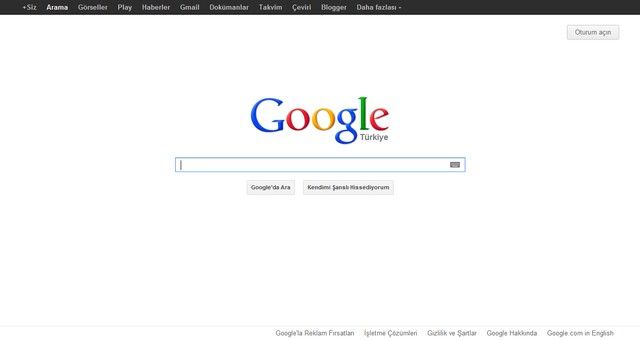
The more white space the better, the less cluttered that your designs are – the easier it’s going to be for the view to decide where they are supposed to take action. This also makes it simpler to communicate a single key message to your user.

There’s no better example of the powerful use of white space than the Google homepage.


Author/Copyright holder: Emperyan. Copyright terms and licence: Public Domain

The Fifth Principle of CCD – Urgency and Scarcity

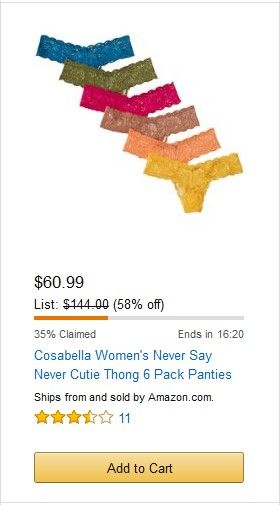
If you want people to take action now; you have to give them a reason to do so. Psychology says that you can drive people to action by limiting their decision making time. You can do this either by making the resource scarce “Only 7 cameras left at this price – then they go up to $999” or by making the time scarce “Only 23 minutes left to order for delivery tomorrow morning!”

Ideally you want to place these messages as close to the call to action as possible.

As you can see in this shot from Amazon’s website – this special price is limited and already 35% of the bundled items have been claimed. The message is clear “take action now or miss out”.


Author/Copyright holder: Unknown. Copyright terms and licence: Fair Use

The Sixth Principle of CCD – Try Before You Buy

If you’ve ever been to a supermarket and been offered a sample of a product; you weren’t offered that sample out of the manufacturer’s generosity. It helps you decide to buy a product if you can be sure that you’ll like it. So while it might not be possible to give someone a sip of Cola or a slice of cheese online; you can duplicate this idea digitally.

Think about giving away a synopsis of a report or a sample chapter from a book or the first 10 minutes of your latest training video.

The idea is simple, it provides customers with reassurance that your product is worth their investment. Even when that investment is only an e-mail address.

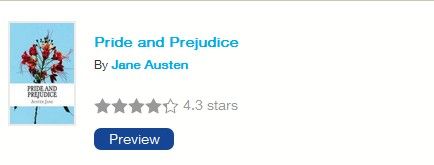
Here’s an example from The Reading Room which gives away free preview chapters of books that it sells:


Author/Copyright holder: Unknown. Copyright terms and licence: Fair Use

The Seventh Principle of CCD – Social Proof

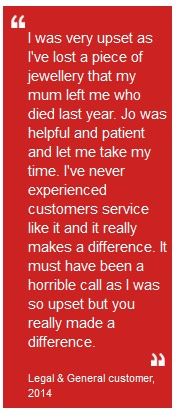
The final key to sealing a deal is for the visitor to trust you enough to make the leap of faith required to become a customer. One of the simplest ways to help build that trust is to deliver “social proof” which is simply feedback on how other customers and visitors have felt about your products and services.

It can be in the form star ratings (like the ones in the Reading Room example above) or full testimonials like the one below from Legal and General (the insurer):


Author/Copyright holder: Legal & General. Copyright terms and licence: All rights reserved Img source

It’s always a good idea (like above) to add just a little explanation with a testimonial to make it clear that that’s what it is.

An Example of CCD in Action – Wistia.Com

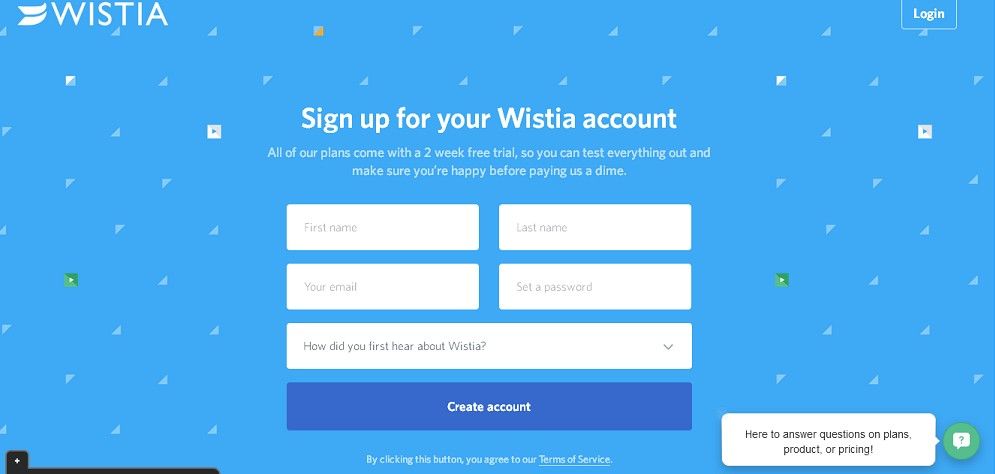
Let’s take a look at the landing page of Wistia and see which rules of CCD they follow:


Author/Copyright holder: Unknown. Copyright terms and licence: Fair Use

“Create account” is fully encapsulated and it’s clearly contrasting with the background. There’s not much choice on screen at all and that leaves plenty of room for whitespace and clear direction (fill in the form – please). They also offer a try-before-you-buy option “All of our plans come with a 2-week free trial… make sure you’re happy before paying us a dime.”

In fact, the only things missing are a little social proof and scarcity. It’s important to note that you do not have to fit every CCD concept into every page you design – you just need to ensure that you include a focus on enough principles that it evokes a call to action.

Why did we choose Wistia for this example? HubSpot picked it as the best landing page of 2015.

The Take Away

CCD is a new concept in design and Oli Gardner of Unbounce is its leading practitioner. However, the intent of CCD is not new at all. Website owners and companies seek conversions; it’s the number one business issue that they want to tackle.

While your designs still need to appeal to your users, in order for them to be accepted and successful, it’s also important that they tackle real business problems – if they don’t then no-one is going to be willing to pay for them.

Putting CCD into practice is simply a question of using the principles of encapsulation, contrast, direction cues, whitespace, urgency and scarcity, try before you buy and social proof.

References

Hero Image: Author/Copyright holder: Hubspot. Copyright terms and licence: All rights reserved. Img

Want to hear the story of Conversion Centred Design as told by Oli Gardener himself? Find it here.

Want to examine the best landing pages of 2015 and then put them in context with your understanding of CCD? Find the landing pages here.

Feel Stuck?
Want Better Job Options?

AI is replacing jobs everywhere, yet design jobs are booming with a projected 45% job growth. With design skills, you can create products and services people love. More love means more impact and greater salary potential.

At IxDF, we help you from your first course to your next job, all in one place.

See How Design Skills Turn Into Job Options
Privacy Settings
By using this site, you accept our Cookie Policy and Terms of Use.
Customize
Accept all

Be the One Who Inspires

People remember who shares great ideas.

Share on:

Academic Credibility — On Autopilot

Don't waste time googling citation formats. Just copy, paste and look legit in seconds.