Is Your Choice of User Research Method Useful? A 10 Point Checklist to Help.

• 8 min read

451 Shares

If you’re uncertain as to whether the methodology you’ve chosen to conduct user research for a project is going to be useful; here’s a ten point checklist of simple questions to ask before pressing ahead with the research. Even if you don’t have an answer to some of the questions, it will help you make a better informed decision.

As the song says; “there are two paths you can go by, but in the long run there’s still time to change the road you’re on”. (Led Zeppelin – Stairway to Heaven – Written by: Robert Plant and James Patrick).

Is the Purpose of the Research Clear?

If you don’t have a clear purpose for your research i.e. a question you want answered; then how could the research method be useful? It is possible to get lucky playing darts with a blindfold but it’s much easier to get lucky when you can see and know what you’re supposed to aim for.

The first step of any research project is to determine what questions need answering and what the best methods might be to get those answers. Go directly to square one and start again until you have the question clearly in mind.

Is the Method Going to Be Practical?

There are constraints on many research techniques and ensuring that your choice operates within the constraints is going to improve the chances of successful results. So, do you have enough budget, time and resources to make this form of research work well? If the answer is no, you have two choices – get more budget, time and/or resources OR change the research method. Half measures are no way to get great results from research.

Can You Adapt the Method on the Fly?

Battle plans rarely survive the first engagement and user research has a tendency to need to change focus when users start to provide input. You may find you’re asking the wrong question or that there’s something far more important to deal with than you first thought. Is your chosen method flexible enough so that your research team can modify it as needed? Incredibly rigid protocols rarely produce the results you are looking for.

Is the Method Clearly Understood?

If your research team can’t understand the methodology it seems highly unlikely that they’ll be able to carry out the research effectively. If it’s not clearly understood – it might be time for a little education and planning rather than returning to the drawing board completely. However, if the team still doesn’t get what’s required of them once you’ve expended some effort on explaining it – you either change the team or change the method.



Author/Copyright holder: Dave Lawler. Copyright terms and licence: CC BY-NC-ND 2.0

Is the Method Easy to Remember and Repeat?

The more complex your method, the more likely it is that human error is going to influence the outcome. In general, UX researchers and people in general are pretty simple creatures. You need consistency in execution of the method to have confidence in any results you produce. If it’s too complicated, simplify – you don’t have to abandon the method completely but if it can’t be simplified – do you really want your team reading out of a book while they do the research?

Is it Easy to Execute the Method?

This kind of goes hand in hand with understanding and memorability. Once again, the more complex the methodology – the more likely it is to go off the rails when you’re using it. That doesn’t mean everyone has to start as an expert in conducting the method but it shouldn’t be too steep a curve for them to gain that expertise during the research either.

Is it Easy to Explain the Choice of Method?

Perhaps the cast iron test of a method’s usefulness is the ease at which you can explain to the stakeholders or your clients why you chose it. It should be something that every member of the research team can clearly articulate and win over the support of those funding the research. If you aren’t clear of the benefits of your research methodology, doesn’t it suggest that perhaps it requires a little more thought?


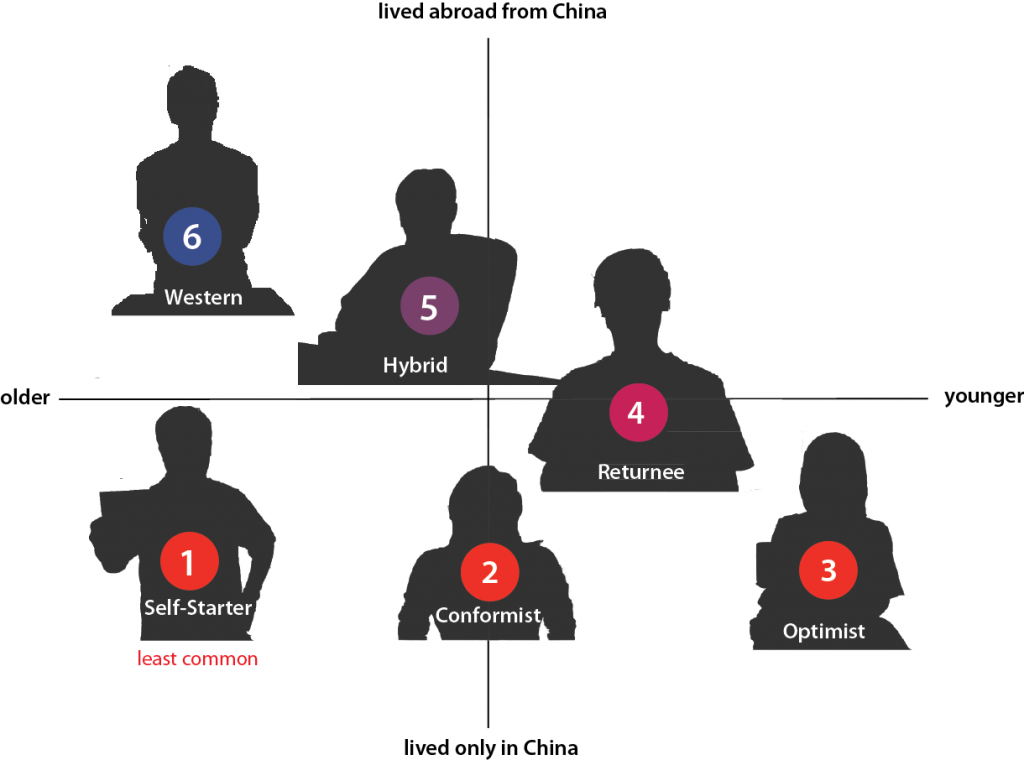
Author/Copyright holder: Marta Fioni. Copyright terms and licence: All rights reserved Img source

What’s the Value in this Method?

What are the outputs you expect to get from your research? (That doesn’t mean pre-supposing the answers to a question but it does mean having some expectations of getting answers). Why will these add value to the design of the product? Ideally, it should take no more than a quick scan of the research proposal for this answer to leap off the page. In the end, it’s this answer that stakeholders and/or clients are going to be focusing on. It’s here that you should be able to indicate some form of return on investment (ROI) from your research.

Does the Research Actually Involve Users?

It’s not the kiss of death for research, for example an expert review can be a great way to inform future research, but it should be a warning sign. If you’re not involving users in the research, what user-related insights are you really likely to draw from such research. User experience designers are really clever folks normally but we’re yet to meet a single psychic among the UX community. User involvement is a strong signal that the research is likely to produce something of value.
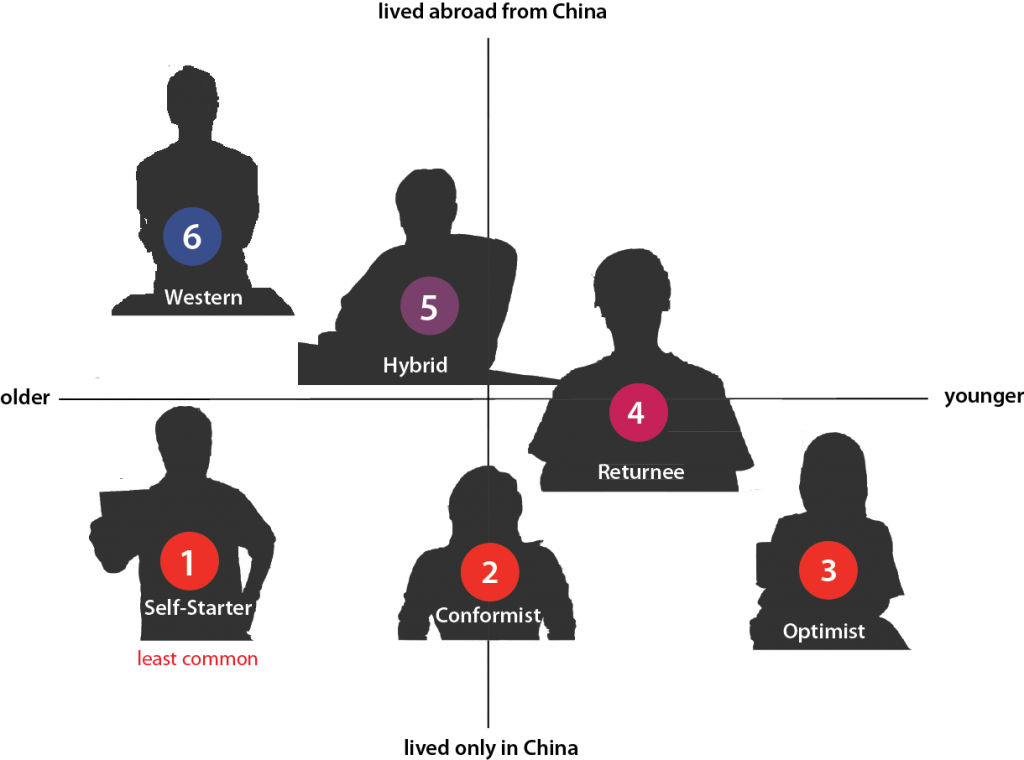


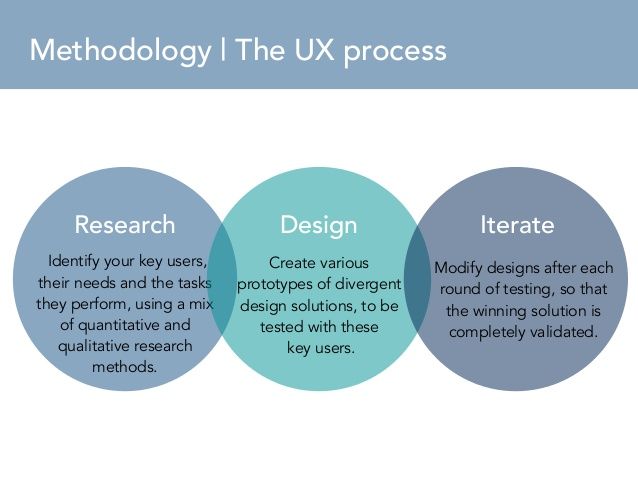
Author/Copyright holder: UX Magazine. Copyright terms and licence: All rights reserved Img source

Will The Results Result in Action?

Will the outputs of your project be clear to all relevant stakeholders? If so, how will this enable them to make decisions that result in meaningful action? Research for research’s sake is of very little value, except possibly as a training exercise. If you can’t see how the outputs can lead to useful action – it might be time to readdress the methods you’ve chosen.

Summary

Even if you can answer “yes” to every question above, there’s no guarantee that your chosen method will deliver on your expectations and investment. However, there’s a much better chance that it will when compared to the scenario where you answer “no” to all or some of the questions above.

Header Image: Author/Copyright holder: Yael Keren. Copyright terms and licence: All rights reserved. Img Source


Learn More in This Course:

AI for Designers

8 days
32 % booked
View Course

What You Should Read Next

  • Read full article
    Why Care about Statistical Significance? - Article hero image
    Interaction Design Foundation logo

    Why Care about Statistical Significance?

    The categorical data depicts the success and failure rate of the low-fidelity wireframe above. There is not a large enough difference between the two to determine if the designs were successful.There is an element of error involved in measuring anything. So, when we want to compare measurements, how

    Social shares
    433
    Published
    Read Article
  • Read full article
    Web Fonts: Definition and 10 Recommendations - Article hero image
    Interaction Design Foundation logo

    Web Fonts: Definition and 10 Recommendations

    Web fonts bring digital content to life. They enhance readability, set the tone, and ensure consistency across various platforms—all vital ingredients. When you understand web fonts and their impact, it can help you with effective website creation—and greatly so. We’ll provide a comprehensive overvi

    Social shares
    782
    Published
    Read Article
  • Read full article
    How to Screen Research Participants - Article hero image
    Interaction Design Foundation logo

    How to Screen Research Participants

    Finding the right participants is crucial for gathering user research. We usually need to do research with participants having a particular set of needs or experience. In this short video, you will find out about the basic need for screening and how we make sure that we have suitably qualified parti

    Social shares
    450
    Published
    Read Article
  • Read full article
    Pitfalls in Recruiting Participants for User Research - Article hero image
    Interaction Design Foundation logo

    Pitfalls in Recruiting Participants for User Research

    The level of participant engagement is an important part of the user research results. Our results are dependent on proper engagement with our participants. In this video we look at some of the issues around participant recruitment and hear practical examples that arose in a large online study.[[vid

    Social shares
    419
    Published
    Read Article
  • Read full article
    How to Fit Quantitative Research into the Project Lifecycle - Article hero image
    Interaction Design Foundation logo

    How to Fit Quantitative Research into the Project Lifecycle

    Quantitative research methods fit into the project lifecycle at different stages of the process.In this video, we see where different quantitative research methods fit into a typical project lifecycle. Bear in mind that even with an iterative process such as Agile, the short cycles still address dif

    Social shares
    510
    Published
    Read Article
  • Read full article
    How to Resolve Conflicts Between Design Thinking and Marketing - Article hero image
    Interaction Design Foundation logo

    How to Resolve Conflicts Between Design Thinking and Marketing

    In the past, designers often reported to marketing managers and were neither expected nor allowed to make business decisions. When traditionally-structured companies transition to a design-driven mindset, there can be friction between the marketing and design teams. Let’s take a closer look at this

    Social shares
    682
    Published
    Read Article
  • Read full article
    Stop the Generic Portfolio Trap! Design a Stand-Out Portfolio for Your UX/UI Niche: User Research - Article hero image
    Interaction Design Foundation logo

    Stop the Generic Portfolio Trap! Design a Stand-Out Portfolio for Your UX/UI Niche: User Research

    User research is indispensable—and without it, well... UX design is guesswork. When you’re a user researcher, you know this well—but it can be hard to communicate your work in a way that grabs the viewer and holds their attention. And that’s what a portfolio is all about—grabbing the attention of yo

    Social shares
    383
    Published
    Read Article
  • Read full article
    Top Service Blueprint Templates - Article hero image
    Interaction Design Foundation logo

    Top Service Blueprint Templates

    Service blueprint tools are vital for effective customer experience design—and for designers to make experiences that are exceptional. Here, we’ll discuss why these tools are so important. What’s more, we’ll explore templates and practical resources to create high-quality, efficient service blueprin

    Social shares
    638
    Published
    Read Article
  • Read full article
    How to Write Research Questions that Lead to Confident Design - Article hero image
    Interaction Design Foundation logo

    How to Write Research Questions that Lead to Confident Design

    Designing with Data provides an extensive background to A/B testing.As with all other research methods, we need to start with a research question. A/B testing concerns itself with changes in user behavior, meaning that our questions need to be centered on measurable goals. In many cases, these will

    Social shares
    450
    Published
    Read Article
  • Read full article
    Getting Started - Article hero image
    Interaction Design Foundation logo

    Getting Started

    We start our introduction to A/B and multivariate testing (MVT) by looking at their basic principles and their differences. Note that the video mentions Google Optimize, which has been withdrawn. Google Firebase can be used for mobile platforms. Third-party solutions are needed for A/B testing on th

    Social shares
    226
    Published
    Read Article

Top Articles

Top Topic Definitions

Feel Stuck?
Want Better Job Options?

AI is replacing jobs everywhere, yet design jobs are booming with a projected 45% job growth. With design skills, you can create products and services people love. More love means more impact and greater salary potential.

At IxDF, we help you from your first course to your next job, all in one place.

See How Design Skills Turn Into Job Options
Privacy Settings
By using this site, you accept our Cookie Policy and Terms of Use.
Customize
Accept all

Be the One Who Inspires

People remember who shares great ideas.

Share on:

Academic Credibility — On Autopilot

Don't waste time googling citation formats. Just copy, paste and look legit in seconds.

Feel stuck? Want Freedom?

Get one powerful email each week, like 325,663 others.

Learn to design a life you love.

Next email in:
4
days
14
hrs
10
mins
47
secs