Reputation is something we don’t really think about until it comes time to place our trust in someone. At that point reputation matters. In 2016, the American Presidential came down to two candidates: Hilary Clinton and Donald Trump. The way that Americans vote, as ever, is more influenced by the reputation they perceive the candidate to have than almost anything else. Your business’s reputation matters in a very similar way. Here, we’ll show you why and what you can do to safeguard it—the most vital asset any of us can own as business entities.
Trust in me, just in me…
What is reputational capital? Essentially, it’s the trust that you have built up in your brand that people are aware of. Why is reputational capital important? It helps with both customer acquisition and customer retention. It’s what covers you on both fronts so no one can really accuse you of being greedy or exploitative. Moreover, it fosters a sustainable feeling that you’re authentic, that you live in and love the world you’re selling to your customers, with whom you want to share that world. Let’s take a quick look at how this works in practice:

Author/Copyright holder: Timb3rwolf444. Copyright terms and licence: CC BY-SA 2.0
In the novel The Jungle Book, the snake Kaa implores people to trust him, but it’s all an act. No-one trusts a snake—even pet ones need careful handling.
Amazon vs. ‘A N Other’ Website
Imagine that your website’s objective was to go head-to-head with Amazon.com. Amazon is the world’s largest online retailer. People know that they can expect great service from Amazon, products that work well and that delight them, and prompt delivery on time, or even ahead of expectations. They also know that—in the main—Amazon is pretty good value for money, too.
Now, let’s say that on the day you launch your website, you’ve built a pretty good copy of Amazon’s site – the product range is there, the pricing’s about the same and you’re offering a similar service to Amazon. On paper, at least, you’ve got a watertight case for winning over the masses; congratulations!
However, let’s take a moment and look harder at that scenario. How likely is it that a consumer who knows Amazon who lands on your site is going to buy from you, assuming that your product and the one on Amazon all have similar features, functions, prices, etc.?
“Not very likely” is the right answer. You see, they know Amazon. They know they can trust Amazon to deliver the goods. They have no idea about your business; moreover, given that you’re not offering anything over and above what Amazon are offering, their reputational capital secures them the business. You’re the unknown left out in the cold.
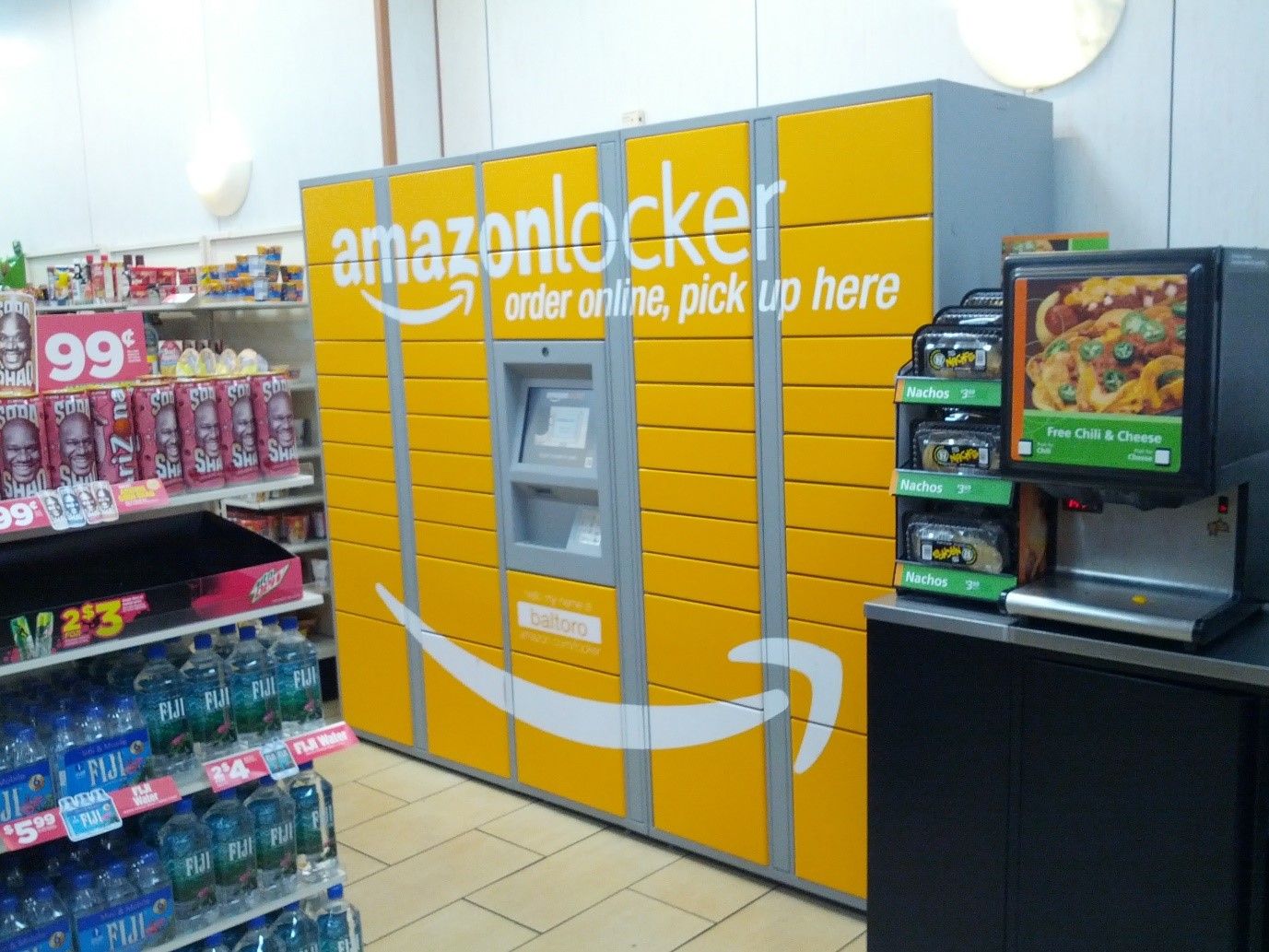
Author/Copyright holder: Adam Matan. Copyright terms and licence: CC BY-SA 3.0
People trust Amazon. Their reputation for delivering on their promises is excellent.
How do you build reputational capital?
First and foremost, the best way to build reputational capital is to do exactly what you promise to do. If you promise that an order placed before 5 p.m. will appear in the customer’s hands (or at least discreetly close to the doorstep), then make sure that happens. If you promise to price match an item for up to seven days after you sell it and someone calls after six days, give them a refund of the difference, no questions asked.
Your business ethics matter. If you can’t deliver what you say you will deliver, change the terms to something you can. Keep this vital point in mind: you can top up money in a bank account, but cleaning a sullied reputation is extremely hard to do. In considering Shakespeare’s words below, make sure you never be the one who takes away from your reputation:
“Who steals my purse steals trash; ‘tis something, nothing;
‘Twas mine, ‘tis his, and has been slave to thousands;
But he that filches from me my good name
Robs me of that which not enriches him,
And makes me poor indeed.”
—William Shakespeare (from ‘Othello’)
Secondly, when you make a mistake, admit it and address it. If customers complain, it means they’re unhappy, but it also means you have an opportunity to make them happy. They say that for every customer who complains about something, there are 10 who don’t complain; at least they don’t complain to you – they complain to their friends, family, etc. instead. That means when you receive a complaint and you address the problem and you make your customer happy – you have the opportunity to fix that problem for all those other people in the future who would have been out trashing your reputation otherwise.

Author/Copyright holder: Rodney Lee. Copyright terms and licence: Fair Use
Jimmy Swaggart, the evangelist, got a second chance by admitting his mistakes in public.
Thirdly, make sure that you handle your reputation in the public domain. Enable customers to leave reviews of your service and products and show how you respond to both the good and bad in an ethical and supportive way. Ask happy customers if you can share their story with others (everyone likes a bit of attention in a positive way). If you discover bad feedback, do your best to appease the feedback leaver and see about controlling the damage (be especially careful about deleting such feedback—approach the customer first and do your bit to remedy matters). Show the world that your reputation matters, and that you will work hard to uphold it and improve it.
Your site design needs to take this into account. You need space to demonstrate that you’re a reputable company and one that people can trust to do business in the right way, every time. Remember that while defending your reputation matters, too, the way to do it is by caring for your customers before the fact, not being a one-party system that silences the unhappy ones. People will talk behind your back, and they may leave feedback on a competitor’s site where they can trash your service by comparison.
Reputation is Fragile
“It takes many good deeds to build a good reputation, and only one bad one to lose it.”
—Benjamin Franklin, one of the Founding Fathers of the United States.
In their article “Reputation and Its Risks” for Harvard Business Review, Robert Eccles et al. examine the need for reputation management. In particular, they look at how the banking industry squandered its reputational capital by poor management of funds which led to the Basel II regulations being imposed on banks in order to improve their reputational capital.
It’s not likely that the government will pass any laws forcing you to protect your business’s reputation, but it’s just as important that you do. Be your own government in this regard, and try to see as far down the road as possible—the consequences of actions can be far-reaching, and rumours can travel far. Remember too that focussing on negative characteristics is part of human nature—people gossip about dirty laundry.
The Take Away
Reputational capital is the perception of the trust that customers and users have in your products, websites and services and your brand. If you don’t have the reputational capital, it’s highly likely that these customers and users will go elsewhere. Building reputational capital means being honest, delivering on your promises and being responsible when things go wrong. A single action may destroy your reputational capital, so it’s vital to be consistent when managing it. By taking such measures as staying within your capabilities when making promises, remedying situations proactively and enabling customers to leave reviews, you will be more credible and therefore more trustworthy. Only then will you be able to stand a proper chance of competing with industry giants.
References & Where to Learn More
Reputation and Its Risks, Eccles, Newquist and Schatz, HBR -
Hero Image: Author/Copyright holder: Amazon.com, Inc. Copyright terms and licence: Fair Use.