Better Notification UX for Phones and Tablets

• 6 min read

527 Shares

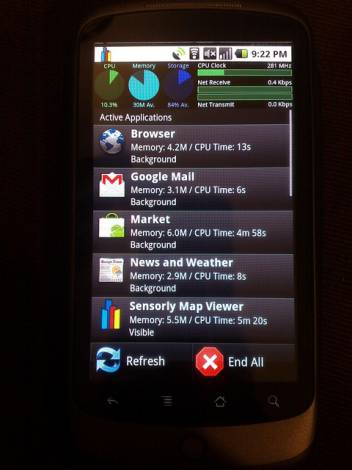
I have a confession to make. I bought a $700 smartphone and have now permanently disconnected it from being online during the day. Why? The notifications are driving me berserk. Ding! You have a Facebook message. Ding! It’s 1 degree colder outside than it was yesterday. Ding! Your phone company has released another minor variation of Android. Ding! Something equally pointless.


Author/Copyright holder: Clive Darra. Copyright terms and licence: CC BY-SA 2.0

Yes, I’m sure that there are manual settings for notifications in each application etc. but here’s the thing – I don’t want to spend the rest of my life configuring other people’s applications. I want them to understand that I have a life and that I’d like others to respect my time. With that in mind – let’s look at notifications and how the UX could be improved.

There are three essential types of alert on most smartphones; badges, visual alerts/banners, and audio alerts. So let’s take a quick peek at each of them:

Badges

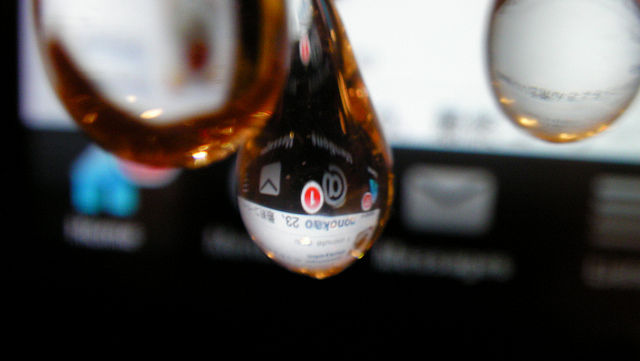
A badge is simply a numeric count that appears against an application’s icon. It lets you know that 847 people have tried to Facebook you today or that there are 3 weather reports you haven’t read yet.

Nearly 99.99999999% of all alerts should simply take the form of badges. I am in no burning hurry to find out who commented on my cat post on Facebook; if I was – I’d be on Facebook rather than waiting to hear it ding.


Author/Copyright holder: miyabi teraminato. Copyright terms and licence: CC BY-NC-ND 2.0

Once I’ve activated an application using a badge alert; I also need to be taken to the source of the alert(s). Don’t hide that stuff – it’s why I opened the app in the first place. Secondly, I also want you to clear those badges once they’ve served a purpose. I am not going to open all 800 Facebook messages about my cat picture – once I know they’re there – you can get rid of that badge.

Visual Alerts/Banners

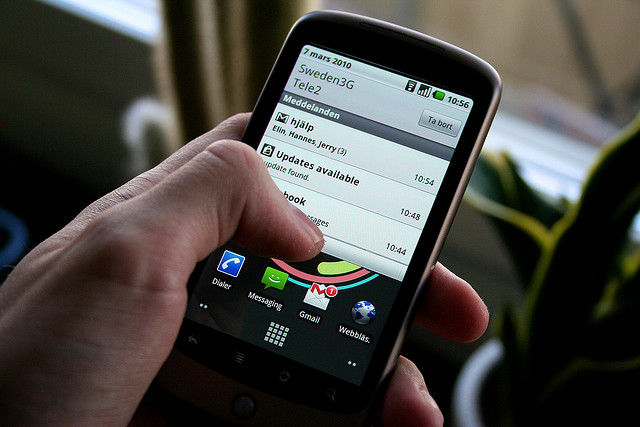
OK, I am willing to concede that 99.99999999% may have been a bit of an exaggeration. There are things I’d like to know – not intrusively – that might need more than a badge. These things include news items, e-mail alerts, etc. They definitely don’t include advertising junk and minor bits of information though – that can all be signposted with a badge.


Author/Copyright holder: Johan Larsson. Copyright terms and licence: CC BY 2.0

No amount of noise in the world will make me reply to an e-mail faster if I’m driving a car on in the pub. So keep them silent and just informative enough so that I can make a quick decision on whether I care enough to read anymore or just junk these alerts.

Audio Alerts

It would be best if most application designers only include audio alerts as an option. The only things which really justify making a noise are the receipt of an SMS, the receipt of an IM/VoIP call, and any reminders that I’ve set. Everything else should be blessedly silent.



Author/Copyright holder: Richard Giles. Copyright terms and licence: CC BY-SA 2.0

Now, if I really do need to track my cat picture on Facebook with audio alerts – that should be an opt-in choice rather than an opt-out one.

Header Image: Author/Copyright holder: Johan Larsson. Copyright terms and licence: CC BY 2.0


Learn More in This Course:

AI for Designers

11 days
13 % booked
View Course

What You Should Read Next

  • Read full article
    What is Interaction Design? - Article hero image
    Interaction Design Foundation logo

    What is Interaction Design?

    Interaction design is an important component within the giant umbrella of user experience (UX) design. In this article, we’ll explain what interaction design is, some useful models of interaction design, as well as briefly describe what an interaction designer usually does.A simple and useful unders

    Social shares
    1.5k
    Published
    Read Article
  • Read full article
    Apple’s Product Development Process – Inside the World’s Greatest Design Organization - Article hero image
    Interaction Design Foundation logo

    Apple’s Product Development Process – Inside the World’s Greatest Design Organization

    Apple’s Product Development Process may be one of the most successful design processes ever implemented. With a valuation that exceeds $2 trillion, there’s a lot that designers can learn from Apple and introduce into their own design environments.Apple is a notoriously secretive business. In Steve J

    Social shares
    1.4k
    Published
    Read Article
  • Read full article
    10 Great Sites for UI Design Patterns - Article hero image
    Interaction Design Foundation logo

    10 Great Sites for UI Design Patterns

    You don’t want to spend your whole life redesigning the wheel, do you? No, neither do we. If you are looking for a design that solves a problem that has been solved with a different application before, then the template for your wheel is probably already out there. This lets you save time and make a

    Social shares
    1.4k
    Published
    Read Article
  • Read full article
    Shneiderman’s Eight Golden Rules Will Help You Design Better Interfaces - Article hero image
    Interaction Design Foundation logo

    Shneiderman’s Eight Golden Rules Will Help You Design Better Interfaces

    Follow Ben Shneiderman’s 'Eight Golden Rules of Interface Design' if you want to design great, productive and frustration-free user interfaces. Apple, Google and Microsoft are among some of the highly successful companies whose well-designed products reflect Shneiderman’s rules. The characteristics

    Social shares
    1.4k
    Published
    Read Article
  • Read full article
    User Interface Design Guidelines: 10 Rules of Thumb - Article hero image
    Interaction Design Foundation logo

    User Interface Design Guidelines: 10 Rules of Thumb

    Learn to design with your user’s needs and expectations in mind by applying Jakob Nielsen and Rolf Molich’s Ten User Interface Guidelines. These heuristics have been reflected in many of the products designed by some of the most successful companies in the world such as Apple, Google, and Adobe. Fur

    Social shares
    1.4k
    Published
    Read Article
  • Read full article
    How to Change Your Career from Graphic Design to UX Design - Article hero image
    Interaction Design Foundation logo

    How to Change Your Career from Graphic Design to UX Design

    If there’s an occupation that is 100% linked with the public’s idea of what design is all about, it’s graphic design. From the familiar golden arches of the McDonald’s brand to the typography and colors of movie posters, graphic designers create some of the most iconic and ubiquitous designs around

    Social shares
    1.4k
    Published
    Read Article
  • Read full article
    Repetition, Pattern, and Rhythm - Article hero image
    Interaction Design Foundation logo

    Repetition, Pattern, and Rhythm

    Let’s look at three subjects that, at first glance, may strike you as being incredibly basic and self-explanatory. However, although they may seem like they should need no introduction, we should study them. By understanding these concepts, you’ll be able to apply them more effectively to captivate

    Social shares
    1.4k
    Published
    Read Article
  • Read full article
    The Grid System: Building a Solid Design Layout - Article hero image
    Interaction Design Foundation logo

    The Grid System: Building a Solid Design Layout

    Now that we’ve seen some grids at work in the Rule of Thirds article, let’s examine them a little more deeply. As a concept that deals so fundamentally with the fabric and background of our work as designers, it’s easy to overlook the power of grids and think more about the elements we want to creat

    Social shares
    1.4k
    Published
    Read Article
  • Read full article
    The Principles of Service Design Thinking - Building Better Services - Article hero image
    Interaction Design Foundation logo

    The Principles of Service Design Thinking - Building Better Services

    Service design is all about taking a service and making it meet the user’s and customer’s needs for that service. It can be used to improve an existing service or to create a new service from scratch. In order to adapt to service design, a UX designer will need to understand the basic principles of

    Social shares
    1.4k
    Published
    Read Article
  • Read full article
    The Golden Ratio - Principles of form and layout - Article hero image
    Interaction Design Foundation logo

    The Golden Ratio - Principles of form and layout

    Now, we’re going to look at a subject that comes directly from mathematics and that we can also find all around us – the golden ratio. Don’t worry; we’re not going back into the classroom for long. We will examine what this concept is and exactly how much it is a fundamental part of making designs p

    Social shares
    1.3k
    Published
    Read Article

Top Articles

Top Topic Definitions

Feel Stuck?
Want Better Job Options?

AI is replacing jobs everywhere, yet design jobs are booming with a projected 45% job growth. With design skills, you can create products and services people love. More love means more impact and greater salary potential.

At IxDF, we help you from your first course to your next job, all in one place.

See How Design Skills Turn Into Job Options
Privacy Settings
By using this site, you accept our Cookie Policy and Terms of Use.
Customize
Accept all

Be the One Who Inspires

People remember who shares great ideas.

Share on:

Academic Credibility — On Autopilot

Don't waste time googling citation formats. Just copy, paste and look legit in seconds.

Feel Stuck? Want Freedom?

Join 326,033+ designers who get one powerful email each week. Learn to design a life you love.

Next email in
1
day
11
hrs
29
mins
57
secs

Free forever. No spam. Unsubscribe anytime.