Pick, Click, Flick! Some Stories about Interaction Techniques
Online Meetup
- Date
- Time
- –
IxDF Cancun
Register on Luma to receive the Zoom link

When people use technology and devices, like a computer, smartphone, tablet, watch, game console, set top box, or other consumer electronics, Interaction techniques (IxTs) are the low-level reusable building blocks out of which their user interfaces are constructed. An "interaction technique" starts when the user performs an action that causes an electronic device to respond, and includes the direct feedback from the device to the user. Examples include physical buttons and switches, on-screen menus and scrollbars operated by a mouse or finger, touchscreen widgets and gestures such as flick-to-scroll and pinch-to-zoom, text entry on computers and touchscreens, input for virtual reality, consumer electronic controls such as remote controls, game controllers, input for virtual reality systems like waving a Nintendo Wii wand or your hands in front of a Microsoft Kinect, interactions with conversational agents such as Apple Siri, Google Assistant, Amazon Alexa or Microsoft Cortana, and adaptations of all of these for people with disabilities. This talk will explain what Interaction techniques are, why they are important and difficult to design and implement, and the history of a representative example: the story of Cut, Copy and Paste. This talk will be based on Brad Myers’s university courses and his new book on this topic, see https://www.ixtbook.com
About Brad:
Brad A. Myers is the Charles M. Geschke (SCS 1973) Director of the Human-Computer Interaction Institute and Professor in the School of Computer Science at Carnegie Mellon University, with an affiliated faculty appointment in the Software and Societal Systems Department. He was chosen to receive the ACM SIGCHI Lifetime Achievement Award in Research in 2017, for outstanding fundamental and influential research contributions to the study of human-computer interaction, and his most recent book, "Pick, Click, Flick! The Story of Interaction Techniques" won a 2025 CBI Human-Computer Interaction History Prize. He is an IEEE Life Fellow, ACM Fellow, member of the CHI Academy, and winner of 19 Best Paper type awards and 6 Most Influential Paper Awards. He is the author or editor of over 550 publications, including three books, and he has been on the editorial board of 8 journals. He has been a consultant on user interface design and implementation to over 90 companies, and regularly teaches courses on user interface design and software. Myers received a PhD in computer science at the University of Toronto where he developed the Peridot user interface tool. He received the MS and BSc degrees from the Massachusetts Institute of Technology during which time he was a research intern at Xerox PARC. From 1980 until 1983, he worked at PERQ Systems Corporation. His research interests include user interfaces, programming environments, programming language design, end-user software engineering (EUSE), API usability, developer experience (DevX or DX), interaction techniques, programming by example, mobile computing, and visual programming.
Online Meetup
Attendance is free.
No IxDF membership required.
Meet people who love design as much as you do. Together we learn new skills, grow our networks, and discover new job opportunities.
Join us to make lifelong friendships over coffee and a shared love of design! ❤️



Chetumal, Mexico
Lucas Brinach
Designer at DE A PIE
An IxDF Local Group connects you with people in your city who are building and applying design skills in their work. Together, you'll strengthen your craft, expand your network, and put theory into practice.
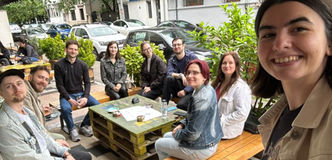
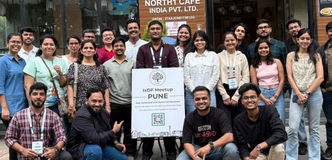
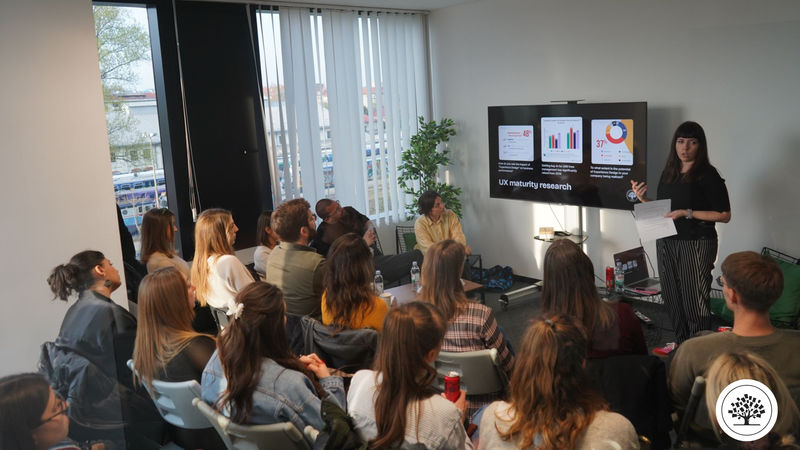
IxDF Local Groups meet regularly in person at cafés, company offices, or creative spaces to share ideas, give feedback, run workshops, and learn from each other. Many groups also organize IxDF Design Dinners, where the conversation goes deeper over a meal. These aren't just social events. Members find collaborators, clients, job leads, and future teammates through them.
You'll also have access to a private online forum where you can get career advice, honest feedback, and support from people who understand the work.
You don't need to have a "designer" title to join. If you care about how design shapes products, careers, and organizations, you belong here.
Join and you'll discover new skills, explore job opportunities, and build relationships with people who understand the power of great design.
 IxDF Zagreb
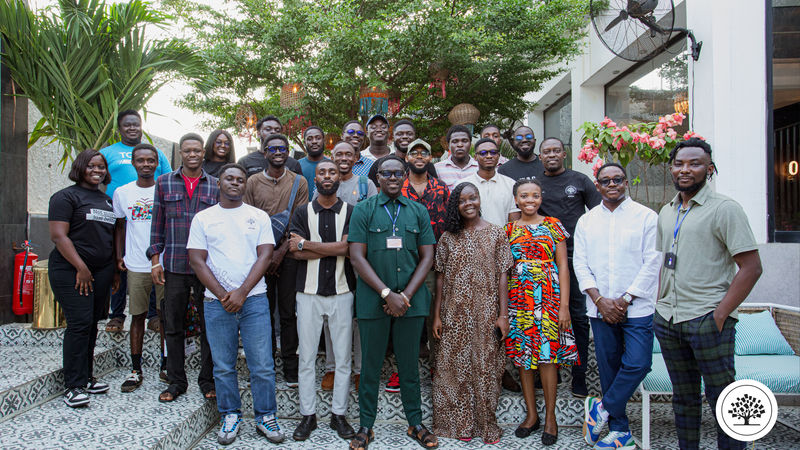 IxDF Accra
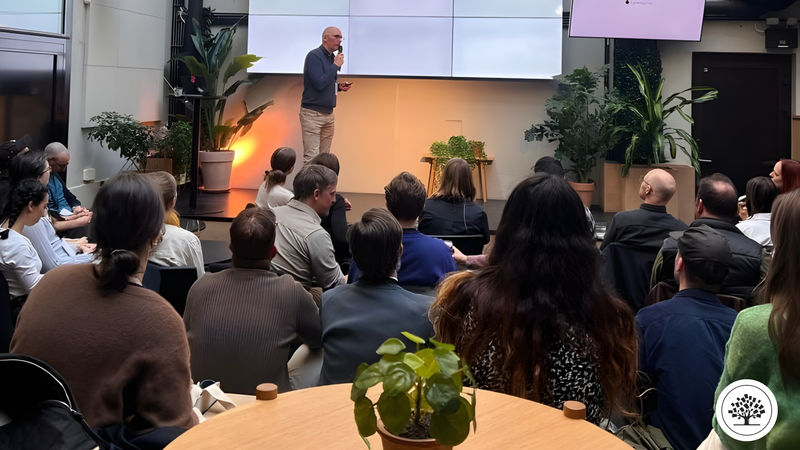 IxDF Oslo
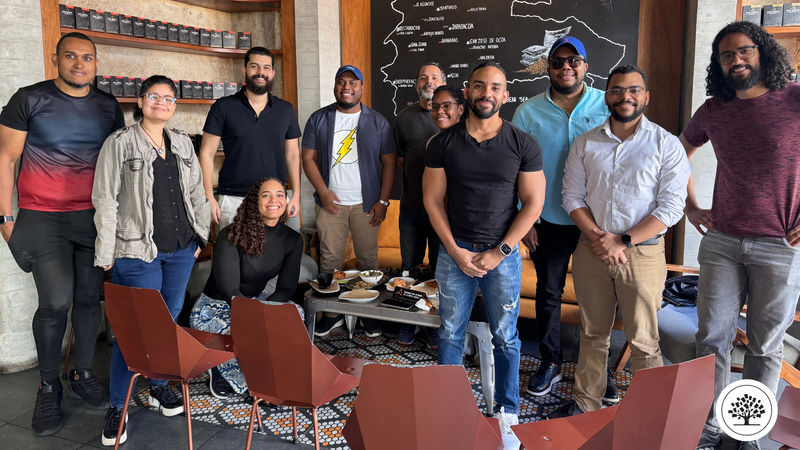 IxDF Santo Domingo
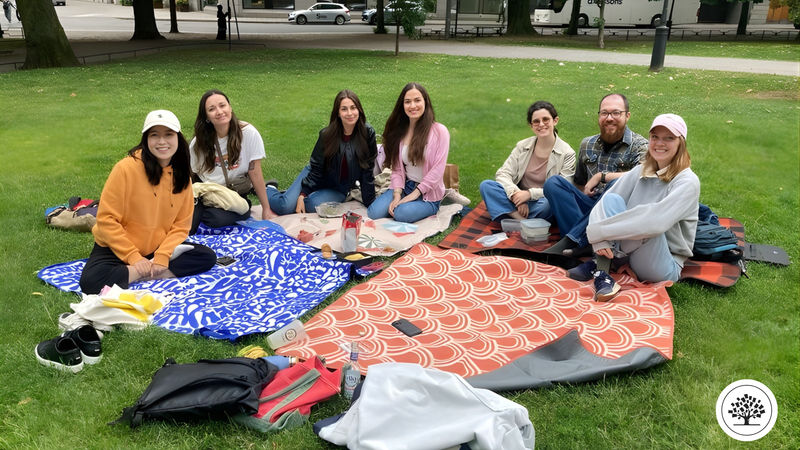 IxDF Stockholm
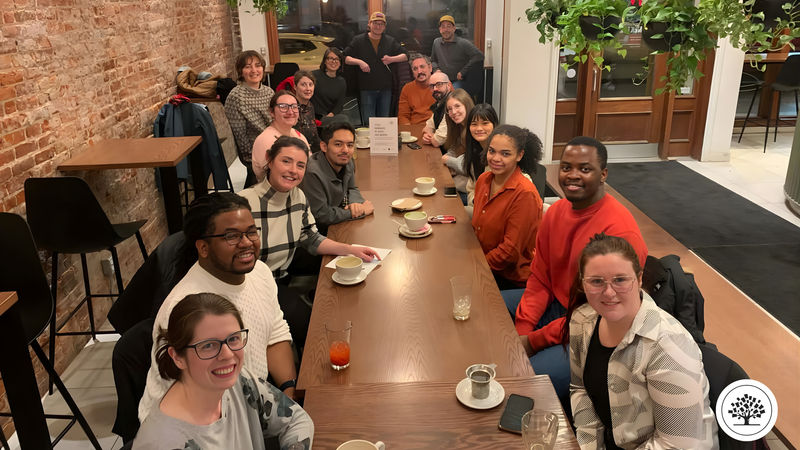 IxDF Quebec
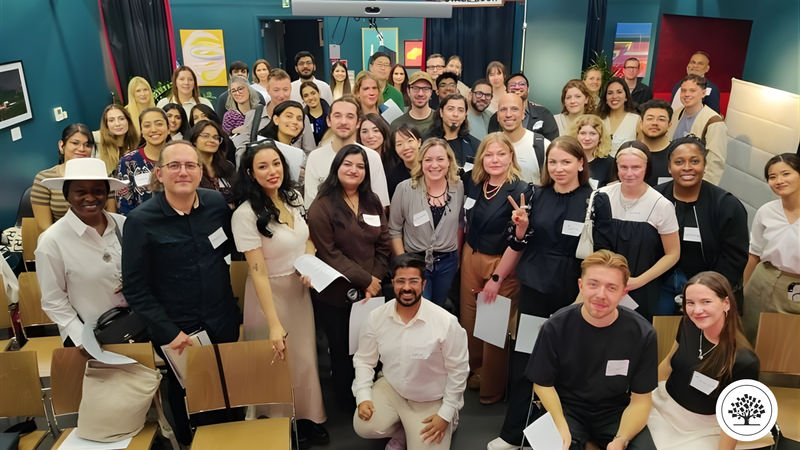 IxDF London
Your IxDF Local Leader organizes meetups based on what members want most. Sessions range from hands-on and structured to relaxed and informal.
Some examples of what you'll find:
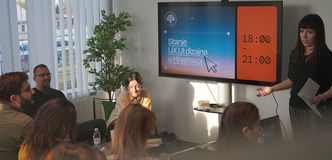
Presentations from local designers, followed by Q&A
Lightning talks where members share lessons learned from real projects
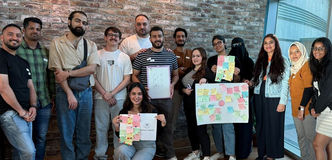
Workshops where you work through a real design challenge together
Portfolio reviews where you get honest, practical feedback
Coffee meetups and design dinners with open conversations about where the industry is heading
Any member can propose, organize and post a meetup. You don't have to wait for your Local Leader to take the initiative.
What stays consistent is the people. You'll find designers and professionals who ask good questions, share what they know, and show up for each other between meetups too.
Yes, absolutely!
Design skills make you more effective in any role. Product managers, developers, marketers, researchers, and founders all work better when they understand how to think like a designer.
IxDF Local Groups reflect that. Members come from all kinds of professional backgrounds, not just design. What they share is an interest in how design shapes products, decisions, and careers.
You'll fit right in regardless of your background.
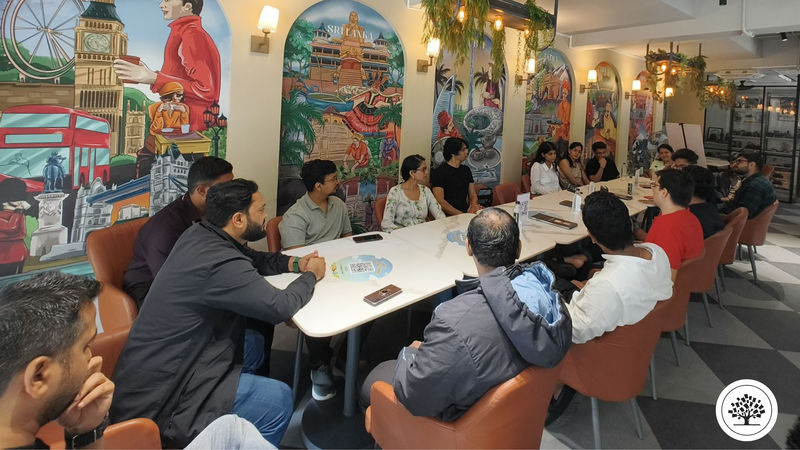 You don’t need to be a designer to have a seat at the table. IxDF Pune
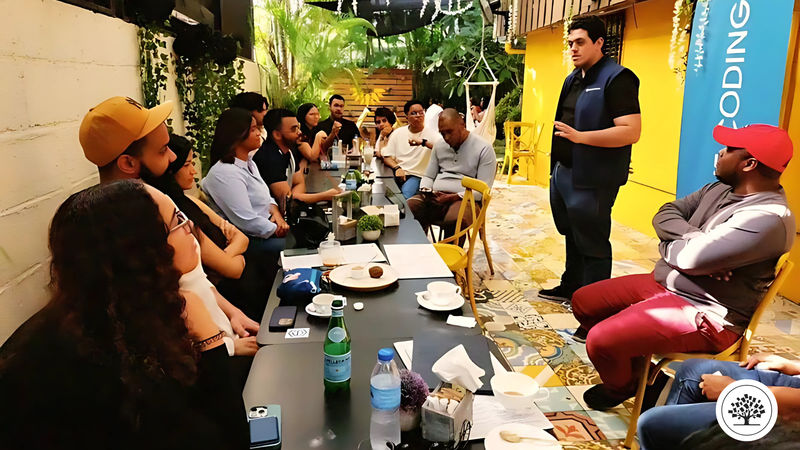 Curiosity and good coffee are the only requirements. IxDF Santo Domingo
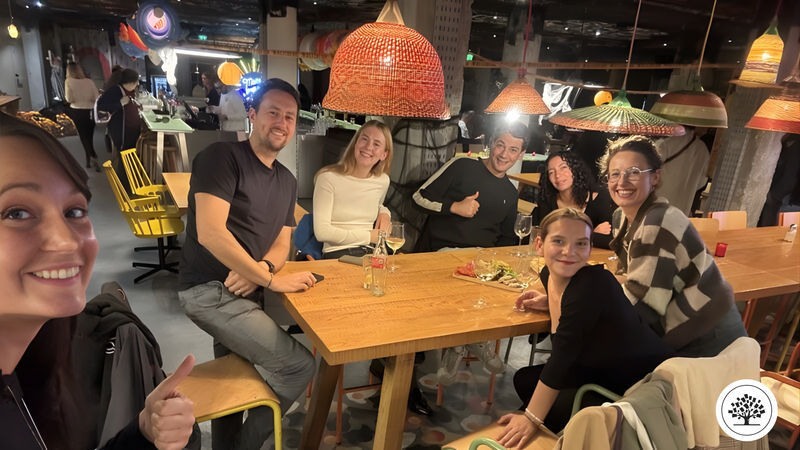 From designers to business thinkers, every voice adds value. IxDF Bordeaux
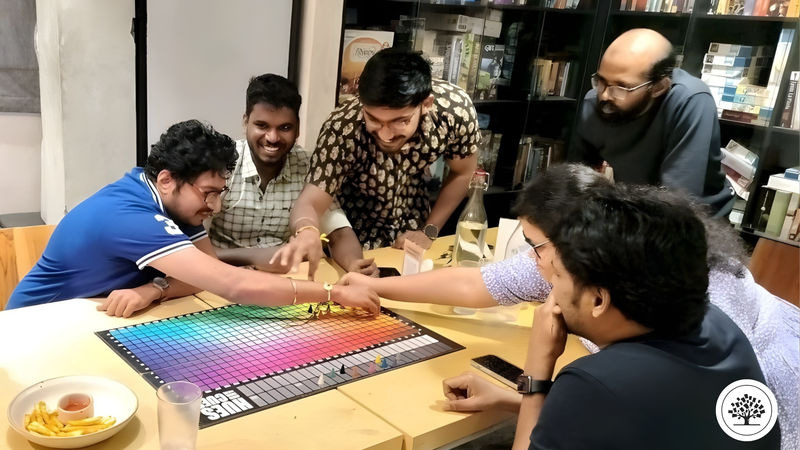 You don’t need to be a designer to think creatively. IxDF Chennai
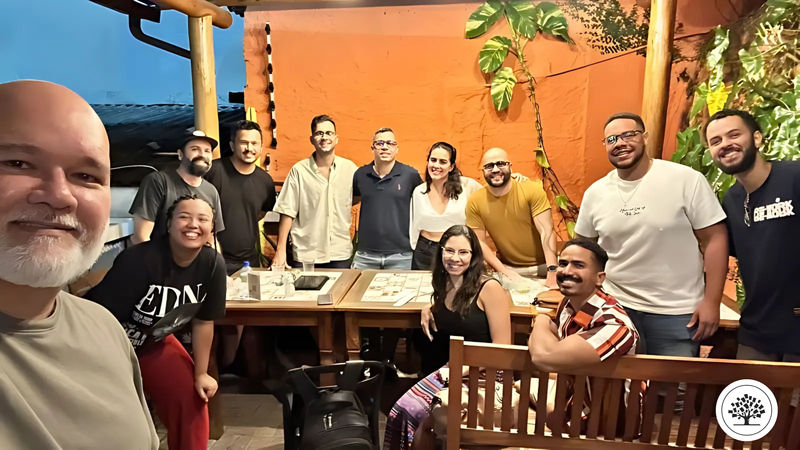 Everyone here learns from each other and grows together. IxDF Salvador
In a world that's getting more artificial and competitive, IxDF brings the heart back, so you never have to face the job market alone.
Learn together, get mentored, find your next job, and build friendships that grow your career.