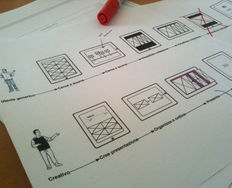
Most people put a lot of effort into their work. Unfortunately, they often neglect themselves in the process. Time served is no longer enough to progress your career (if it ever was). You need to consciously develop your personal and professional skills to succeed and you need a plan to get from where you are to where you want to be.
Developing a career map can help you focus your attention on your own development. More importantly, like any good map – it can also help you measure your progress and keep you heading in the right direction. That doesn’t mean that you might not get lost on the way but having a map means that you can take action earlier when you do get lost too.
Unfortunately, it’s not always simple to develop a career map. There’s no pre-existing map to copy – we have to create our own. So how can you become the cartographer for your own career? Well… according to John Addison, of John Addison Leadership, there are some simple steps that you can take:
Give Yourself as Much Time as You Give Your Career
Author/Copyright holder: huppypie. Copyright terms and licence: CC BY-NC-ND 2.0
The starting point, as you might expect, is to decide to create your map. If you’re feeling stuck in a rut or your career’s not quite moving like you wanted it to – now is the perfect time to get started. You don’t need any expensive tools to start creating your development program today.
You go to work every weekday and you’ll want to set some time aside every day to improve yourself too. That means fitting development activities into your already busy schedule. The good news is that not every development opportunity requires a 3 year university course or 2 weeks with your company’s training department.
Think about what books you could read, what online courses you could sign up for, how you could better spend that five minutes between meetings than talking about football at the water cooler…
It’s Not All About the Long-Term
The aim of a career map is to help you to make incremental progression towards your goals – it should be as much about the journey as the destination itself. If you have “become CEO of my own agency” in mind on the first day of your first design job; it’s going to feel like an eternity to get there.
Break down what you want to do into a series of smaller, more easily obtainable steps and work towards each step in turn. So if you want a management job – you’ll need a little management experience (how can you get some small managerial responsibilities within your current role?) and a little management training (find courses, tapes, books, articles, etc. and get learning). Then make your goals about gaining experience and learning. Look a few weeks ahead rather than years and you’ll start to feel like you’re progressing.
Get Awesome at What You’re Good At

Author/Copyright holder: U.S. Army Corps of Engineers . Copyright terms and licence: CC BY 2.0
Too many people spend too much time trying to tackle their weaknesses. Why? If you’re bad at something – a lot of practice may make you better but you’re never going to be truly awesome in that area.
We all know people like that. Dependable plodders who spend all day, every day trying to stay focused on things that don’t matter to them and that don’t excite them and which they are, deep down, struggling to do. Do you want to be that person? Famed for being “alright”? Of course, you don’t.
If you want to be recognized for your incredible contributions to your work environment; focus on what you already do well and then go all out to be the best in the world at that. Become a brand name in your industry as the best-of-the-best and soon, you’ll find your career takes care of itself as people come looking for you with opportunity rather than you knocking doors to find it.
Get Some Help
No-one can do everything by themselves. Sooner or later you’re going to need some help in achieving your objectives. Seek out a coach (the Interaction Design Foundation’s Coaching and Certification Program (IxDF Design League), a friend or a colleague and ask for some help.
A coach can help you structure your day-to-day efforts. A mentor can help you structure your long-term career goals. Your friends, family and colleagues can help support you and offer insight too. Perhaps you need a course to ignite something in your design education so you can get fully on track with a more clear and purposeful mindset.
Don’t be afraid of asking for help either. People like to help but many people won’t know you need help until you ask for it.
Do Something – Every Day
Yeah, we’ve said that a couple of times already but it’s so important that it needs saying again. You have to keep taking steps forward to make things happen. That means putting the time aside now to do something today. Read a book. Call your coach. Go for a coffee with a colleague and explain what you’re doing.
If you’re not doing something… you’re wasting time and falling behind on your journey. That doesn’t mean that every action has to be huge but it does have to be meaningful and useful; just like reading this article…
Keep a Record of What You’ve Done
Author/Copyright holder: INPIVIC Family . Copyright terms and licence: CC BY 2.0
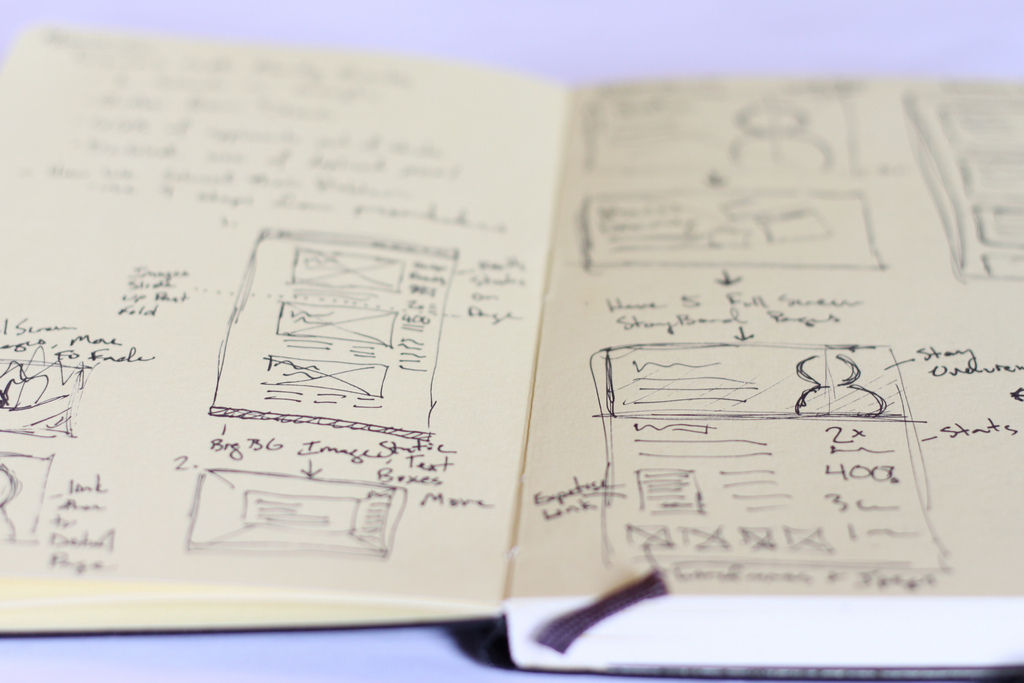
This tip is all our own but it’s really useful all the same. Keeping a personal development log (which is what writing down what you’ve done amounts to) has two benefits:
It helps you see the progress that you’ve made. Sometimes on a long journey – it’s nice to take a look over your shoulder and see just how far that you have come. A written personal development log lets you see what you’ve done. It’s worth stopping to appreciate that every now and again – it will help motivate you for the next stretch.
It helps you communicate what you’ve done to other people. When you’re ready to go for that promotion or sideways move – you need to be able to articulate why you should get it. Your personal development log will help you tell a convincing and credible story to explain why you’re ready.
You can add a third benefit to this record if you decide to critically analyse the benefits (or lack of benefits) from each activity and keep a note of that. This can be really useful when you want to decide on your next set of actions; you can focus on activities that have truly added value to your career map and not just the ones that you enjoyed the most.
The Take Away
A career map can help you progress you career without losing sight of the work that you’re paid to do. It provides direction, goals, objectives and a personal journey. However, you have to put the work in daily and get help and support to make the best of your career map. If you’re serious about your career – the earlier you get started… the earlier you’ll get to where you want to be.
References
Hero Image: Author/Copyright holder: Leslie. Copyright term and licence: CC BY-NC 2.0
Get John Addison’s input from the horse’s mouth as told to Jane Porter at Fast Company here.
Seek an Interaction Design Foundation coach or mentor to kickstart your career map here.
Get some career modelling assistance from Business Model You.
Just starting out your career? You may find these resources from the Western Australian government’s career planning department useful.